Can I eat eggs if I have uterine fibroids?
Written by Juliana Dosy, M.Sc. Nutrition · Updated
In this article
Short answer
Yes. Current evidence does not support cutting eggs from your diet if you have uterine fibroids. Eggs provide high-quality protein, choline, vitamin B12, selenium, and some vitamin D — a nutrient often low in women with fibroids.
Where the fear comes from
Fibroids are hormone-sensitive, especially to estrogen. From that fact grew the idea that eggs — because they come from an animal — must be feeding fibroids by contributing estrogen. That claim is not backed by high-quality clinical studies.
In practice, the amount of estrogen naturally present in an egg is nowhere near what would be needed to meaningfully influence fibroid growth in humans. No medical society and no recognized guideline recommends cutting eggs simply because a woman has fibroids.
What the evidence actually shows
Recent reviews on nutrition and fibroids (Tinelli 2021, Martire 2025, Fresco 2026) converge on the same message: what matters is not one isolated food, but the overall quality of the diet.
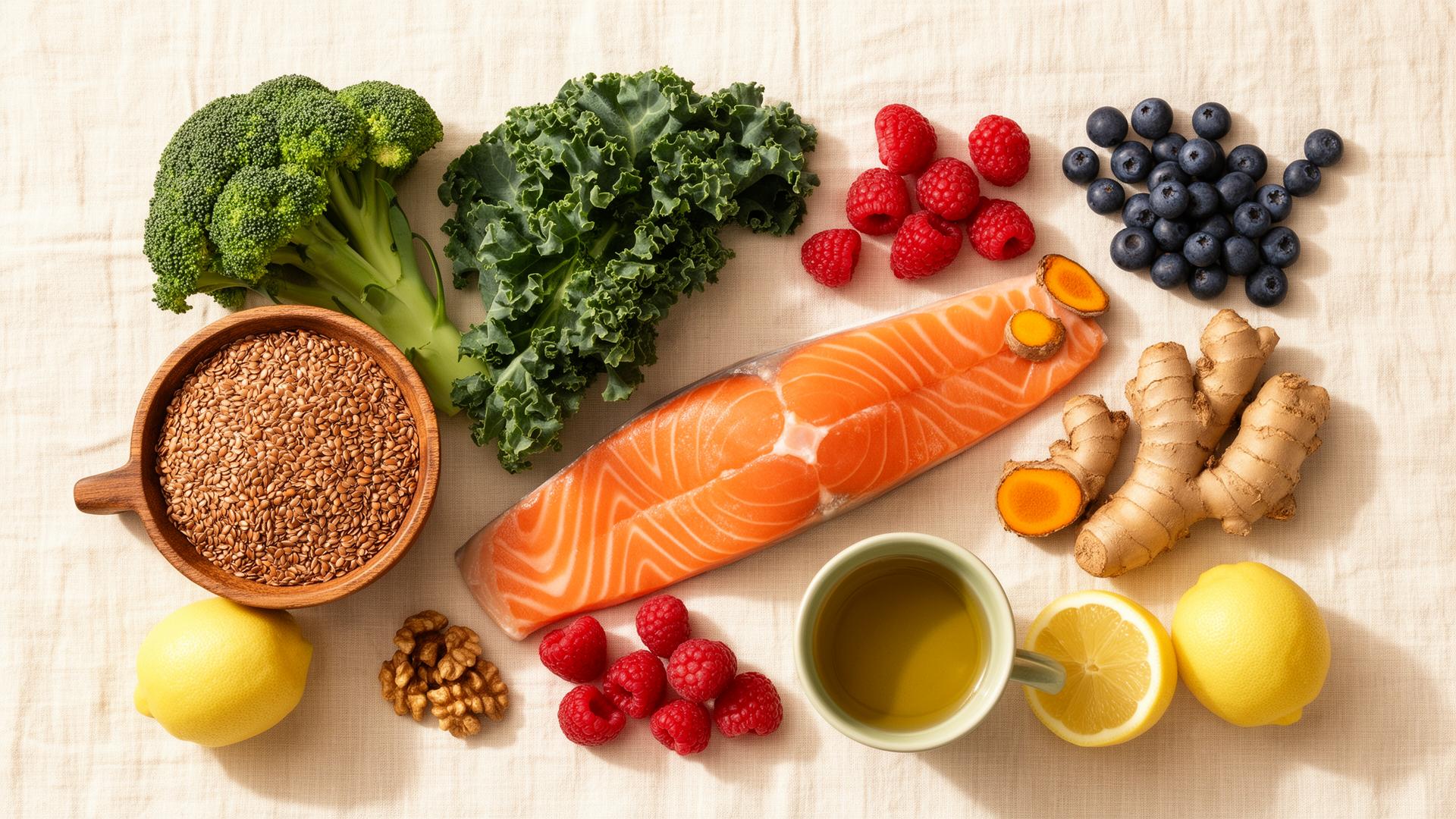
Associated with lower risk or slower progression: diets rich in vegetables, fruit, legumes, whole grains, fish, and adequate vitamin D. Associated with higher risk: ultra-processed foods, excess added sugars, and large amounts of red meat.
Eggs appear on neither of those lists as an aggravating factor.
What eggs actually bring
One whole egg provides about 6 g of complete protein, choline (important for the liver — the key organ for estrogen metabolism), vitamin B12, selenium (antioxidant), and a small amount of vitamin D.
Vitamin D deserves special mention: low levels are frequently observed in women with fibroids, and correcting a deficiency is one of the best-supported nutritional strategies in the research. Eggs alone won't correct a deficiency, but they contribute as part of a varied diet.
When to be more cautious
There are real reasons to avoid or limit eggs: allergy, intolerance, or a specific medical recommendation (for example, in certain cardiovascular contexts). In those cases the adjustment is made with a healthcare professional.
Outside of those situations, having fibroids is not on its own a reason to eliminate them.
Frequently asked questions
How many eggs per week is reasonable with fibroids?
For most women with healthy cardiovascular profiles, 4 to 7 eggs per week fit comfortably into a balanced diet. Adjust with your care team if you have dyslipidemia or another relevant medical condition.
Do eggs raise estrogen levels?
Not in any clinically meaningful way. The estrogen naturally present in an egg is very small and has not been shown to shift hormone levels in humans.
Should I choose organic or free-range eggs?
Nutrient differences are modest. Choosing organic or free-range is mostly about ethical and environmental preferences.
White or yolk — which is more useful?
The yolk holds the choline, vitamin D, vitamin B12, and most minerals. The white is mostly protein. Eating the whole egg remains the most complete nutritional option.
References
- Tinelli A, et al.. Uterine Fibroids and Diet. Nutrients. 2021.
- Martire FG, et al.. Nutrition and Uterine Fibroids: Clinical Impact and Pathophysiological Insights. Journal of Clinical Medicine. 2025.
- Fresco TM, et al.. State of the science and research opportunities on dietary patterns in endometriosis and uterine fibroids. npj Women's Health. 2026.
About the author
Juliana Dosy, M.Sc. Nutrition, has over 17 years of clinical experience and founded Club NutriChoix. She explains digestive health, nutrition, and hormonal health using scientific evidence, without miracle claims.
For personalized support, our ODNQ-registered dietitian-nutritionists see clients in Lachine and online anywhere in Quebec, with insurance receipts: meet our Lachine dietitians.